
What Is a Dynamic QR Code and How Does It Work?
In the digital age, the bridge between offline marketing materials and online content has become increasingly important. If you have ever wondered what is a dynamic QR code, you are likely looking for a way to make your printed assets smarter, more flexible, and easier to track. Unlike traditional, static codes, dynamic versions act as a gateway that you control behind the scenes.
Understanding the Basics: What Is a Dynamic QR Code?
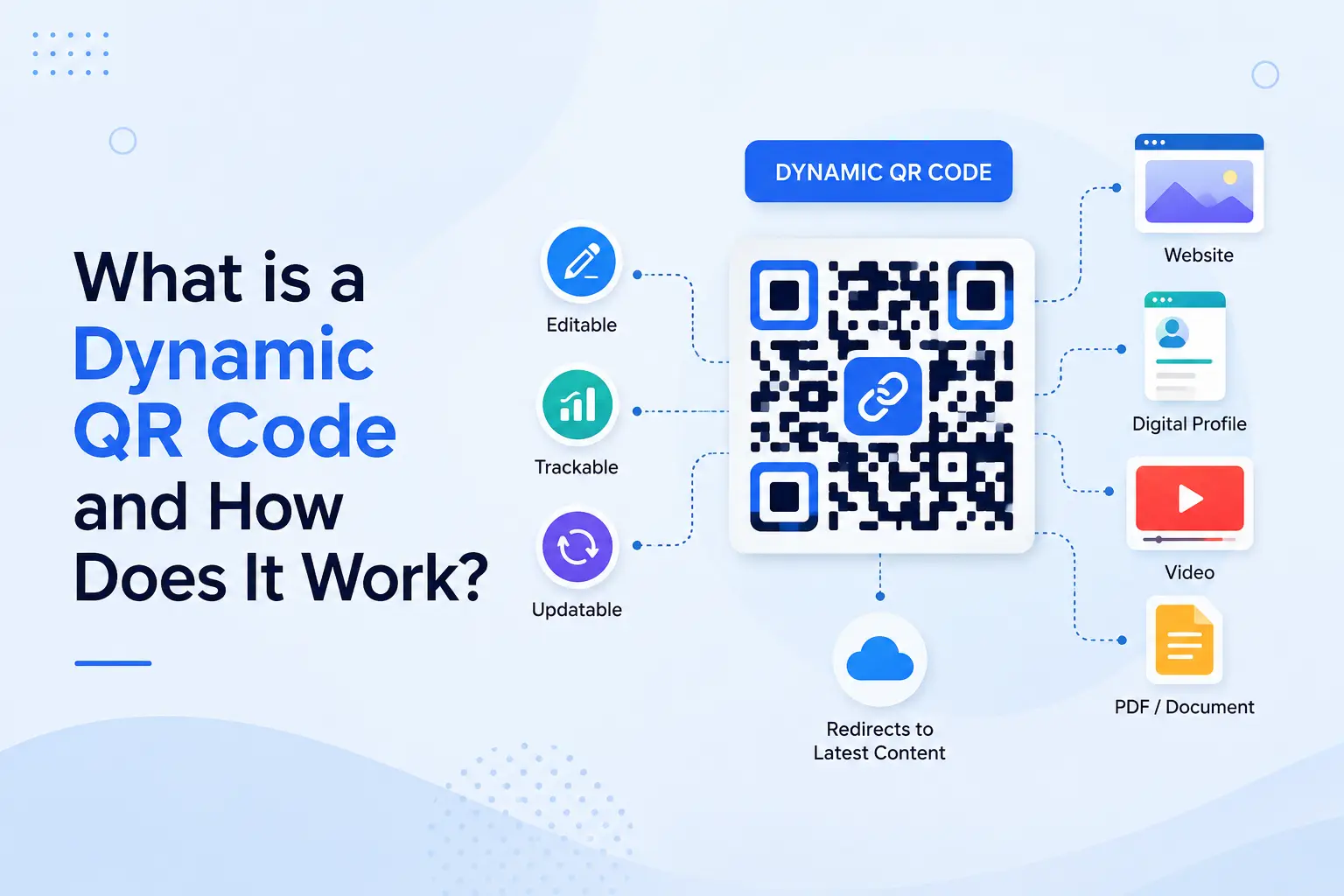
At its core, a dynamic QR code is a type of two-dimensional barcode that stores a short redirecting URL instead of the actual destination data. When a user scans the code with their smartphone, they are sent to a server that instantly redirects them to the final destination—such as a website, a PDF document, or a social media profile. Because the code itself only holds a redirect link, you have the power to change that final destination at any time without needing to reprint the physical code.
How Dynamic QR Codes Work
The magic of how dynamic QR codes work lies in the redirection layer. When you create a code using a platform like Qurio by Taskly Tools, the system generates a unique, shortened URL. This URL is embedded into the visual pattern of the QR code. When a customer scans the code, the request hits the server, which identifies the destination and routes the user to the correct page. This process happens in milliseconds, ensuring a seamless user experience.
Key Advantages of Dynamic Technology
- Editability: Update your links or content without creating new marketing collateral.
- Advanced Analytics: Gain insights into who is scanning your codes, when, and from where.
- Compact Design: Because they store less data, the visual pattern is less dense, making them easier for scanners to read.
Practical Use Cases for Businesses
Small business owners and marketers often use these tools to streamline operations. For example, a restaurant can use a single printed menu QR code that redirects to a seasonal menu page throughout the year. Event organizers can use them on badges to link to changing schedules, and educators can use them to direct students to updated lecture slides. For a free, reliable solution, you can create a dynamic QR code using the professional tools available at Taskly.
Common Mistakes to Avoid
One major mistake beginners make is confusing static and dynamic codes. Always remember that if you need to track performance or change a link, you must choose a dynamic option. Additionally, ensure your final landing page is mobile-optimized; if the code leads to a page that isn’t responsive, the user experience will suffer regardless of how clever the QR code is.
Frequently Asked Questions
1. Is a dynamic QR code permanent?
While the code itself is durable, the redirection service depends on the provider. It is important to use a reliable service like Qurio to ensure your links remain active.
2. Can I change the destination after printing?
Yes, that is the primary benefit of dynamic codes. You can update the URL in your dashboard at any time.
3. Do I need an app to scan these codes?
No, most modern smartphones have built-in QR scanners in their camera apps.
4. Are dynamic QR codes free to use?
Many providers charge, but you can use Qurio – Free Dynamic QR Code Generator to manage your codes without hidden costs.
5. Can I track how many people scanned my code?
Yes, dynamic QR codes provide detailed scan metrics, including location and device type.
Conclusion
Understanding what is a dynamic QR code is the first step toward creating more effective, data-driven marketing campaigns. By utilizing this technology, you save time, reduce printing costs, and gain valuable insights into your audience’s behavior. Ready to get started? Create a Dynamic QR Code today and take control of your offline-to-online marketing strategy.